Vol. 74, August 2026
Have you published something new in Global Urban History? Are you hosting a conference, workshop, or event? We'd like our members to know!
GUHP is a member-supported organization.
| Call for Papers for GUHP3 Mexico: Layered Cities
and
Call for Applications for the 2026-27 Cohort of GUHP Emerging Scholars | GUHP is very excited to invite scholars to propose presentations for our third in-person conference, GUHP3 Mexico City with the theme Layered Cities: Scale and Time in Global Urban History. The conference will take place on June 21-22, 2027 at the Instituto de Investigaciones Históricas at UNAM in Mexico City.
In addition we are also pleased to welcome new applications for the 2026-27 cohort of the GUHP Emerging Scholars Program, which is designed to prepare early career scholars for high-impact participation in the conference.
The deadline for applications is October 16, 2026 at 23:50 UCT.
Information on applications can be found here. | 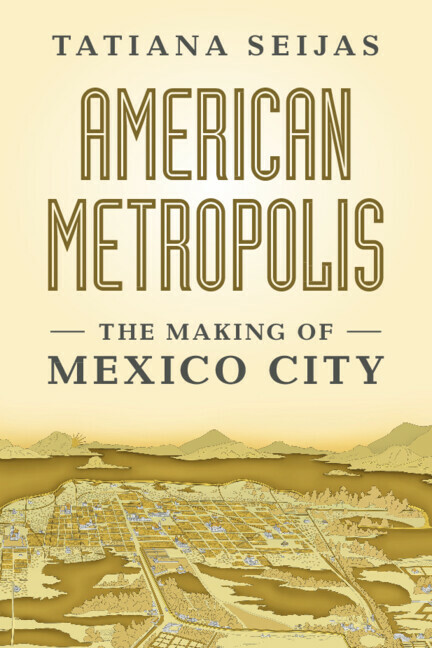 | | American Metropolis: The Making of Mexico City
By Tatiana Seijas
(Cambridge University Press, 2026)
Mexico City was America's largest city in the seventeenth century – a genuine metropolis. In this deeply researched book, Tatiana Seijas reveals a rich tapestry of stories about essential workers who remade and transformed the city during this period. Her narrative style carries readers to a unique place and time with residents from around the world who sold food, facilitated transportation, provided care, and valued the city's silver. Free and enslaved people from Africa and Asia, immigrants, and Native Americans pursued opportunities in a wealthy, yet deeply unequal environment, where working people claimed parts of the city for themselves. They carved out spaces to create new businesses and protect their livelihoods, altering the cityscape itself in the process. American Metropolis brings Mexico City to life from the perspective of the working people who transformed this early modern metropolis.
| | | 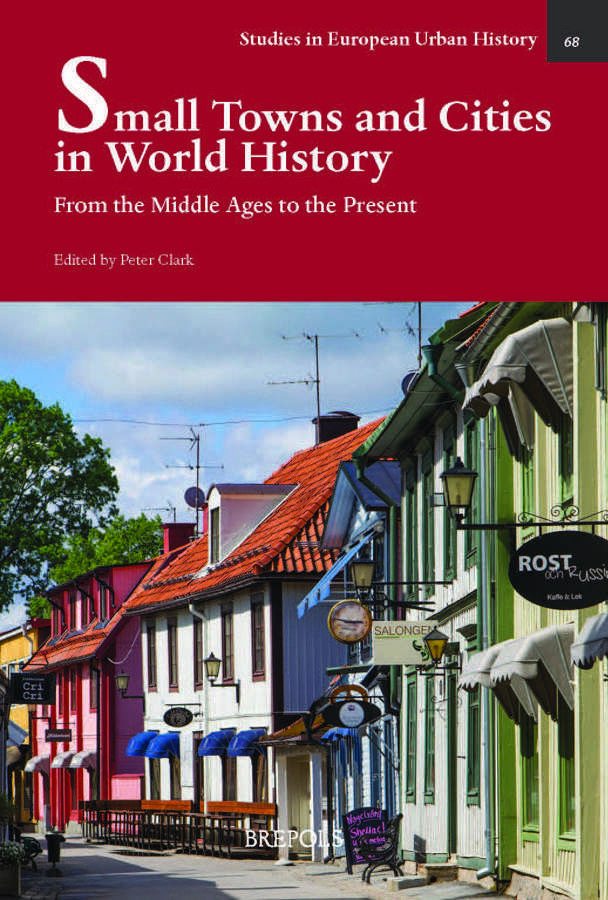 | | Small Towns and Cities in World History: From The Middle Ages to the Present
ed. by Peter Clark
(Brepols, 2026)
This volume provides for the first time a comparative view of the development of small towns and smaller cities across the world from the Middle Ages to the present day. It examines the evolution of their role and impact in the main urban networks and systems in Europe, Asia, the Middle East, Africa and the Americas. It focuses on key topics and cutting edge questions relating to the urban economy, population, social life, governance and cultural life. Reassessing the conventional picture of small towns in decline, it argues for the dynamic dimension of their development and their importance for global urbanisation over the long run. This is a major pioneering study, bringing together the latest research by leading and younger scholars which sheds sustained light on a major component of the urban system in both the Global North and South, and thus makes an essential contribution to understanding world urban development over time.
| | | 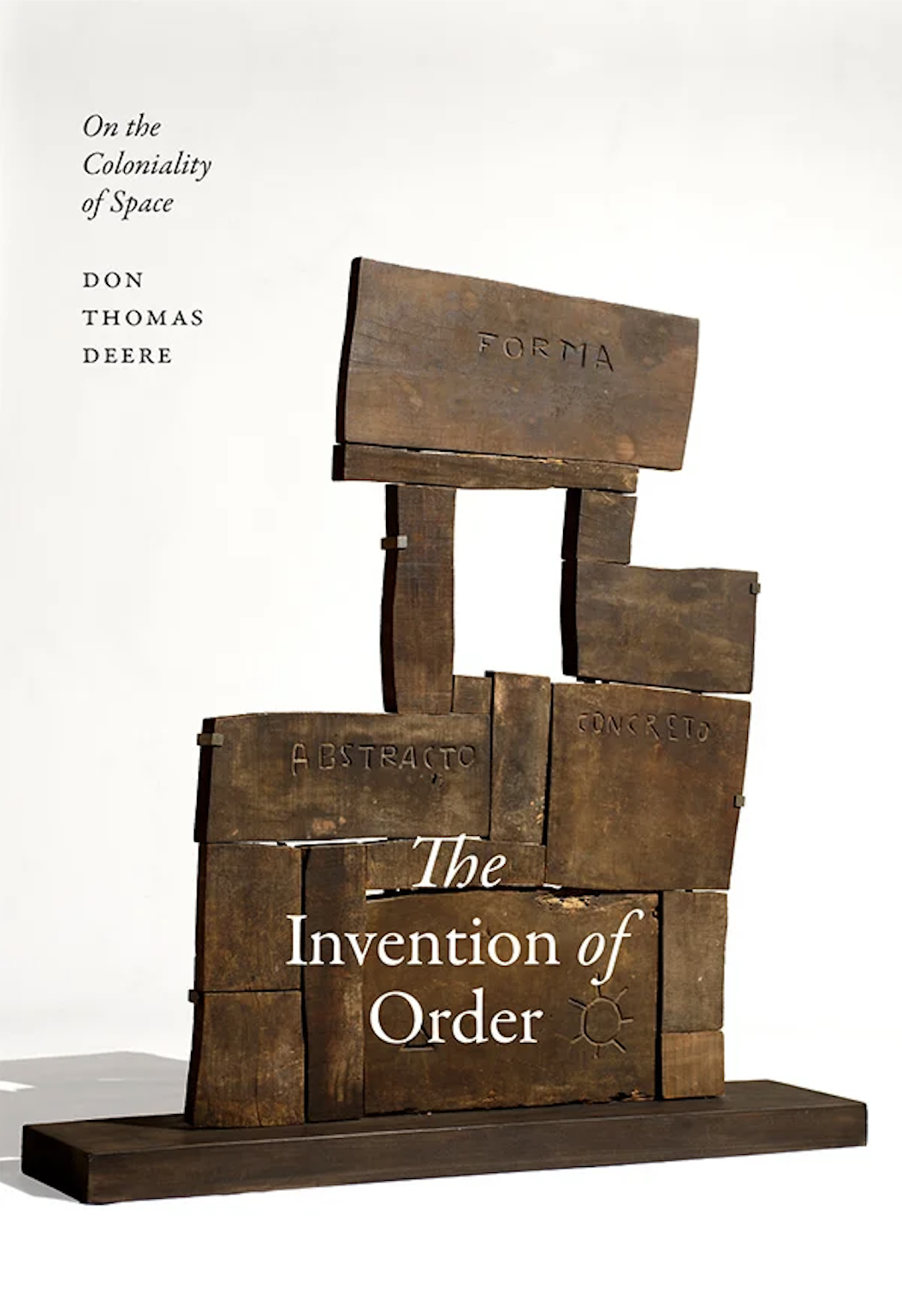 | | The Invention of Order: On The Coloniality of Space
By Don Thomas Deere
(Duke University Press, 2026)
In The Invention of Order, Don Thomas Deere retraces the colonial origins of spatial organization in the Americas and the Caribbean and its lasting impact on modern structures of knowledge, power, race, gender as well as understandings of global modernity. The coloniality of space dispossessed Indigenous, African, and mixed populations as it constructed new systems of control and movement. Deere demonstrates how these developments manifested, among other forms, in urban grid patterns imposed during the development of Spanish colonial cities as well as totalizing trade routes crisscrossing the Atlantic. Drawing on a range of thinkers including Enrique Dussel, Édouard Glissant, and Sylvia Wynter, Deere reveals how movement—who travels, who settles, and who is excluded—becomes an essential component of control under colonial rule. Against the violence of spatial reordering, Deere outlines how novel forms of resistance and insurgency geographies still take hold, particularly in the Caribbean, where landscapes remain excessive, eruptive, and uncaptured by the order of modernity.
| | | 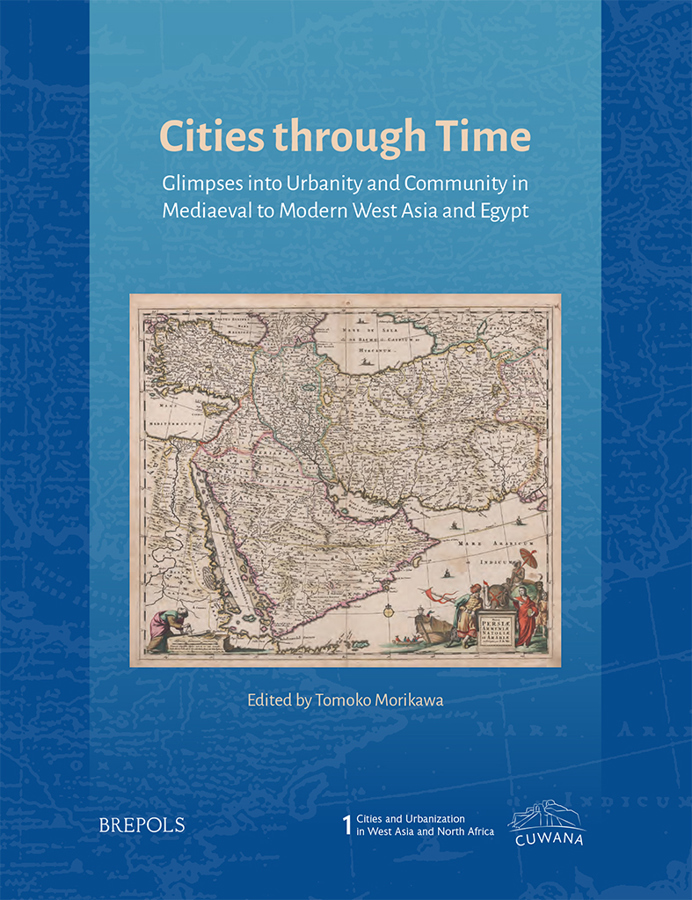 | | Cities Through Time: Glimpses Into Urbanity and Community in Mediaeval to Modern West Asia and Egypt
ed. by Tomoko Morikawa
(Brepols, 2026)
The first volume in a series dedicated to cities and urban processes in West Asia and Egypt, this collection of essays offers an exploration of West Asian history and society as seen through the lens of urbanization. Drawing together scholarship from historians, architectural historians, and archaeologists, the essays gathered here examine the development of cities and urban societies in the region from the Sasanian and early Islamic periods up to modern times. The up-to-date and advanced analyses presented within the volume explore the societies that inhabited these urban landscapes and shed light on noteworthy cities of West Asia and its surroundings, including Egypt, the Caucasus, Afghanistan, and Central Asia. Through this approach, the authors examine not just the shapes, formations, and characteristics of urban centres, but also the economic and social structures that developed within them and gave shape to their communities.
| | | 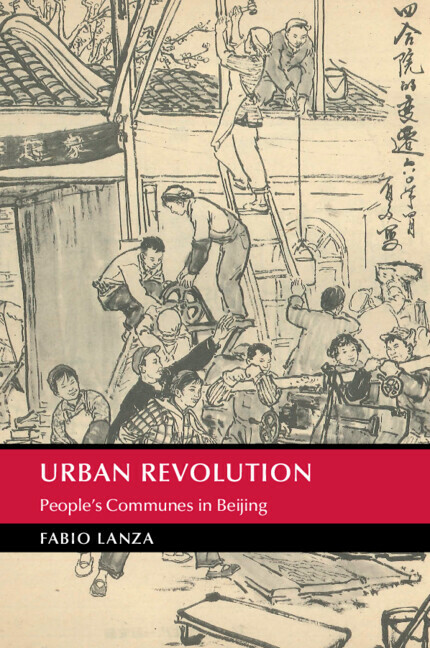 | | Urban Revolution: People's Communes in Beijing
By Fabio Lanza
(Cambridge University Press, 2026)
During the Great Leap Forward (1958–62), the collectivization of the Chinese countryside had catastrophic results, but how did this short-lived political experiment reshape urban life? In the first English history of urban collectivization, Fabio Lanza explores the most radical attempts to remake cities under Mao. Examining the universalization of production, the collectivization of life, including communal canteens and nurseries, and women's liberation, intended to transform modern urban life along socialist lines, he shows how many residents, and women in particular, struggled to enact a radical change in their everyday lives. He argues that the daily reality of millions of city residents proved the limitations of an effort that tied emancipation to industrial labor and substituted subjugation to the assembly line for subjugation to the stove, confronting some of the crucial contradictions of the socialist revolution.
| | | 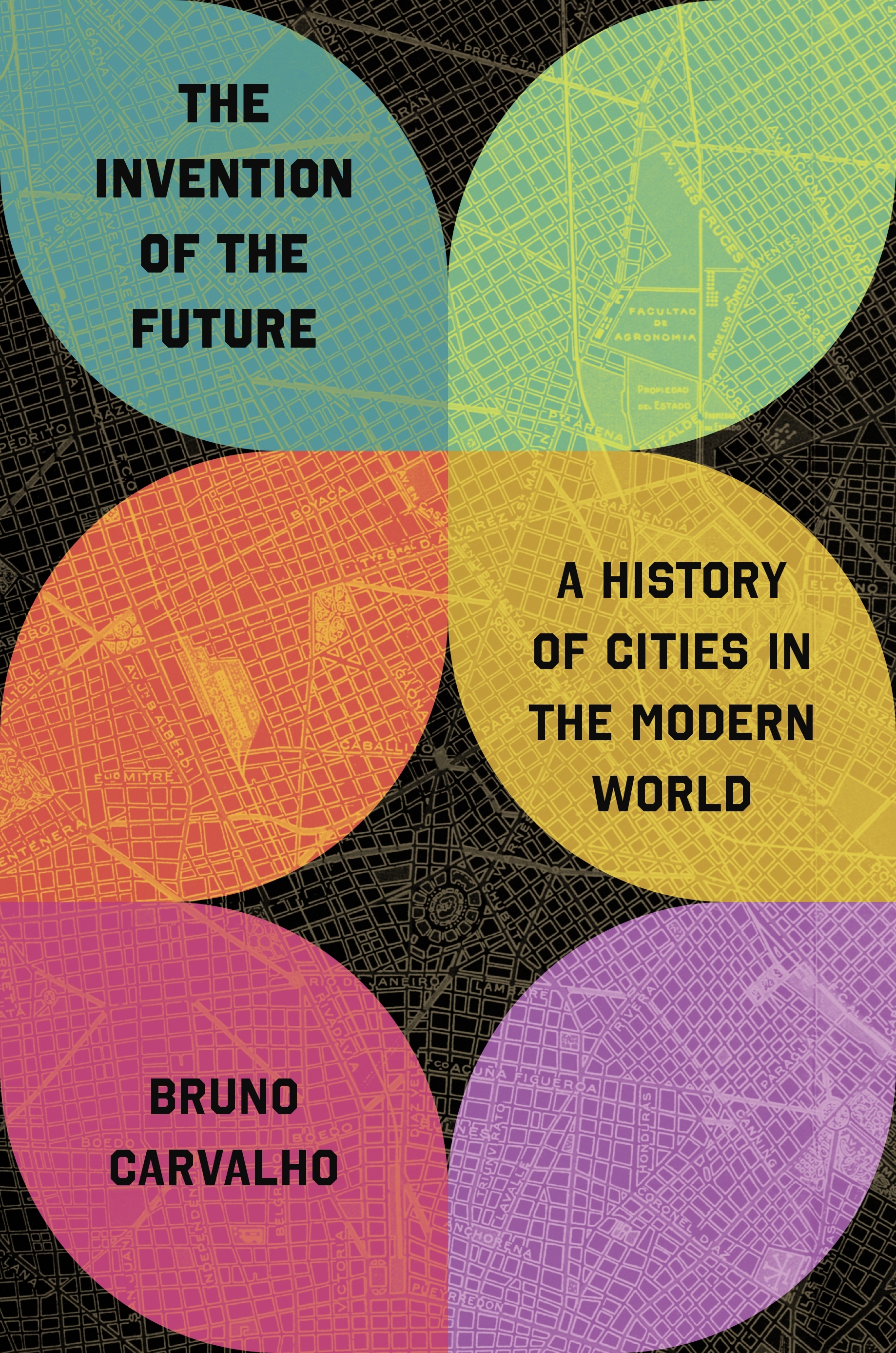 | | The Invention of the Future: A History of Cities in the Modern World
By Bruno Carvalho
(Princeton University Press, 2026)
For the past three centuries, urban dwellers and planners have imagined future cities that would be radically different from those of the past. Planners pursued progress, whether focused on flying vehicles above, sewage systems below, or daily life in between. Yet, as Bruno Carvalho shows in this original and wide-ranging history, which features some sixty illustrations, modern cities continuously defied predictions. Visionary designs and technological innovations created dramatic, unforeseen outcomes, and the ongoing urban boom is a story of continuity as well as rupture.
A compelling history of imagined futures and the transformation of urban life, The Invention of the Future also suggests what we might learn from the stories of our cities as we shape them for the twenty-first century. Moving between large-scale changes and detailed examples, this captivating narrative tells the story of key moments and turning points: the rebuilding of Lisbon after the 1755 earthquake; the 1811 Commissioners’ Plan for Manhattan; Parisian reforms from 1853 to 1870; Le Corbusier’s plans for South American cities in the 1920s and 1930s; the postwar victory of the car; the utopian capital of Brasília; and urban growth in Africa. In recent decades, Carvalho argues, the capacity to invent urban futures has become increasingly constrained. Social and environmental challenges loom large. But the story is not over. While cities helped create current problems, compact and transit-rich urbanization might be our best hope to combine high living standards with sustainability. Sometimes, moving forward can involve reaching back to the future.
| | | 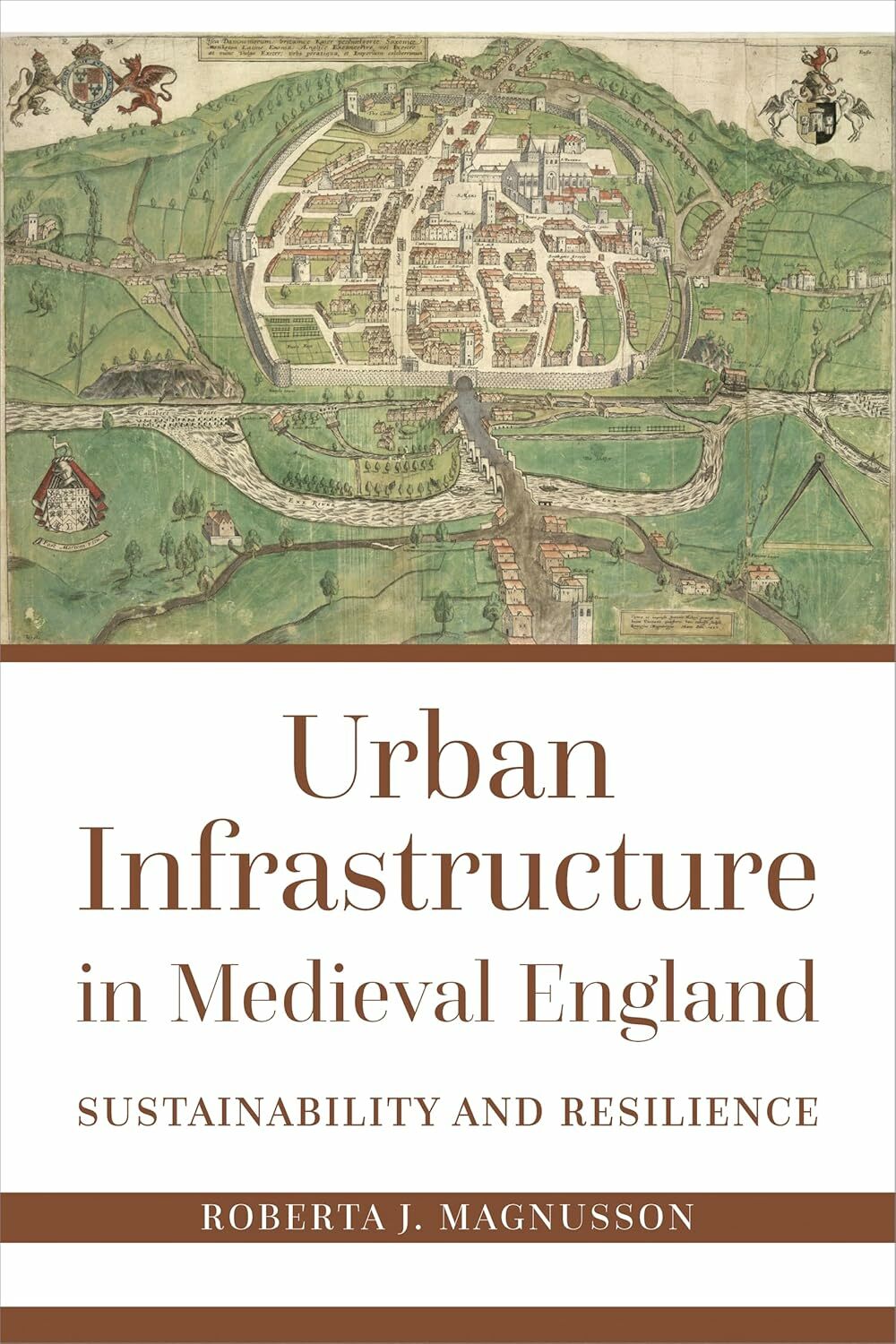 | | Urban Infrastructure in Medieval England: Sustainability and Resilience
by Roberta J. Magnusson
(Johns Hopkins University Press, 2026)
In the bustling market towns and growing cities of medieval England between 1200 and 1600, public works were the lifelines of urban society. In Urban Infrastructure in Medieval England, Roberta J. Magnusson offers the first comprehensive study of how medieval towns built, financed, and sustained their defenses, bridges, streets, water systems, and harbors.
Magnusson reveals how even modest communities, like the Warwickshire town of Atherstone, boldly pursued projects that reshaped their futures. Grants of tolls and taxes funded paving initiatives, bridge repairs, and fortified walls, while enterprising lords and abbots sponsored sluices, conduits, and quays. These efforts were not confined to England's great cities; small towns with limited means also sought to enhance their competitive edge, even when such investments strained their resources. Drawing on royal records, municipal archives, and archaeological evidence, Magnusson situates these civic undertakings in their broader social and environmental contexts. She shows how townsmen adapted traditional obligations of labor and charity alongside innovative fiscal tools to sustain projects that could span generations. Yet the balance was fragile. The crises of the fourteenth century—famine, plague, and the harsher climate of the Little Ice Age—undermined local resources, leaving many communities to struggle with maintenance or watch their infrastructures decline.
At once a history of engineering, economy, and community, this study illuminates how medieval people conceived of security, health, and prosperity through the material fabric of their towns. By tracing the rise, transformation, and survival of these infrastructures, Magnusson demonstrates how urban communities navigated centuries of change while shaping the very landscapes in which they lived.
| | |  | | 'We Are About to Enter Satan's Stronghold': Chinese Opium Houses and Shared Multi-Ethnic Spaces in London's Maritime District, c. 1860-1900
By Brad Beaven
Journal of Urban History (July 2026)
This article examines the myth of the Chinese opium den in mid-nineteenth century London, focusing on how two opium houses in the maritime quarter became central to national fears about the Chinese community. Within the context of a growing hostility to Chinese labor in the shipping industry, popular literature and the press warned their readers of the malign influence of Chinese opium "dens." The article challenges the stereotype of Chinese isolation, arguing that early Chinese communities were integrated into diverse working-class neighborhoods. It also highlights the role of English women, especially those working in opium and boarding houses, in fostering community cohesing and mediating local relations. By reinterpreting the district as a "contact zones" - a space of cultural exchange - the study shifts away from viewing it as an ethnically exclusive enclave. This perspective offers new insights into cultural appropriation, social class dynamics, and interracial community building in mid-to-late nineteenth-century London.
| | | 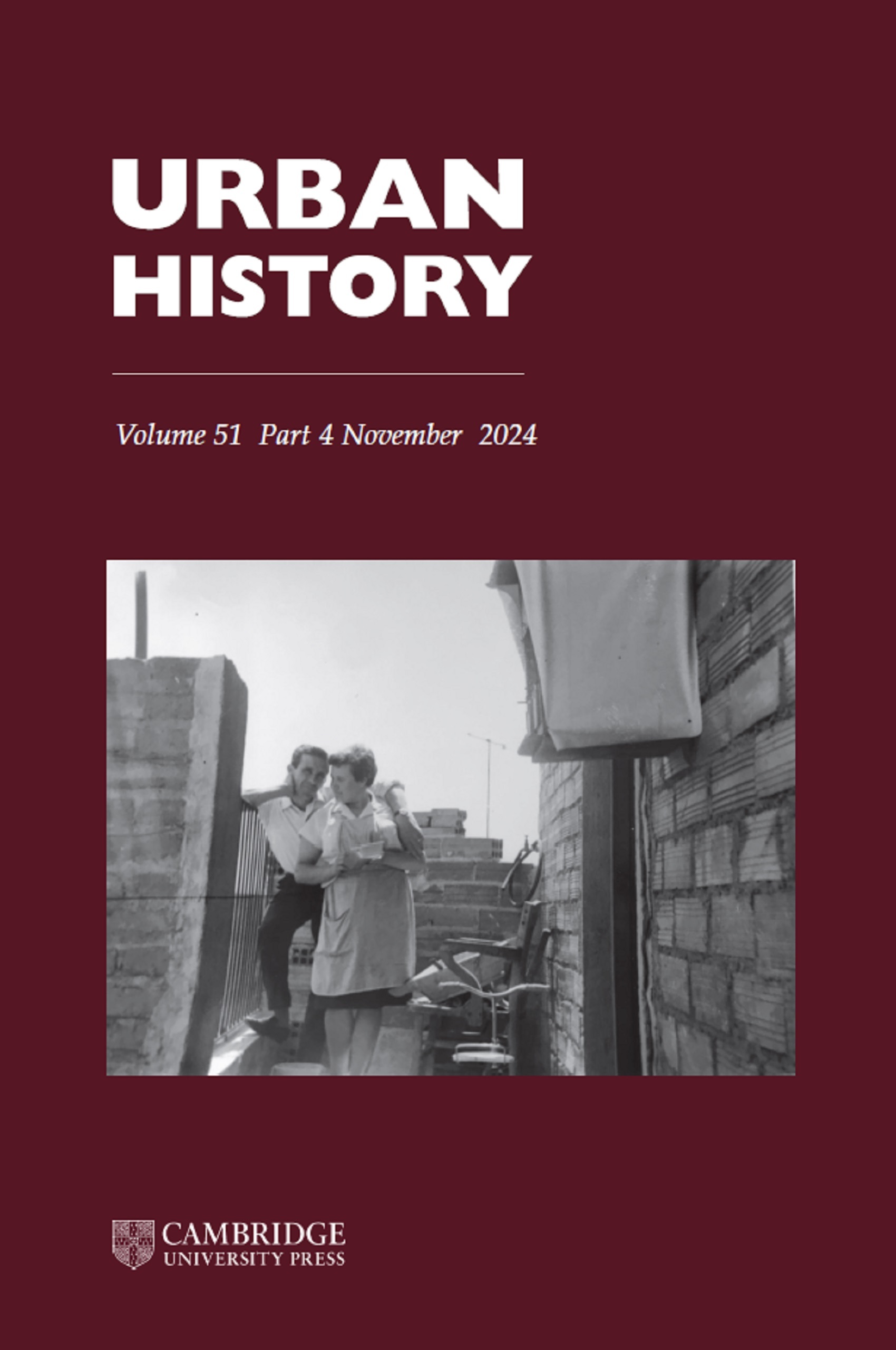 | | Between Fear and Fascination: Spatial Manifestations of Habsburg-Ottoman Rivalry in Early Modern Istanbul (c. 1530-1606)
By Ahmet Erdem Tozoglu
Urban History (April 2026)
This article investigates how the Ottoman-Habsburg rivarly was materialized in Istanbul's urban fabric, c. 1530-1606. Tracing the itinerary Divanyolu → Elçi Hanı → Topkapı Palace, it reconstructs a ritual geography in which routes, lodgings and thresholds converted diplomacy into spatial governance. Drawing on protocol notes, narratives and images, it shows how orchestrated confinement, staged spectacle and reciprocal visibility structured ambassadorial experience: envoys were lodged under watch in the Elçi Hanı, processed along a ceremonial corridor and received in a palace that magnified authority by withholding it. Combining visual, textual and architectural analysis, the article demonstrates how power was materially and symbolically enacted and ambassadors became both spectators and exhibits. Rather than treating the city as backdrop, it reads Istanbul as an instrument that translated rivalry into movement, vantage and constraint, situating the Ottoman capital within a wider Mediterranean economy of representation, comparison and control.
| | |  | | Global Crisis, National Borders, and Welcoming Cities: Urban Sanctuary and Human Rights in Historical Perspective
By Janet Polasky
Journal on Migration and Human Security (July 2026)
When nation-states have responded to increased migration by intensifying border enforcement, restricting immigrant rights, and closing paths to citizenship, cities have emerged as sanctuaries for displaced and marginalized populations. This article traces a historical pattern of urban refuge across three historical periods—late eighteenth-century Hamburg and Altona, mid-nineteenth-century Brussels, and contemporary Minneapolis—to argue that municipal hospitality constitutes a practical, if fragile, alternative framework for protecting the human rights of immigrants when national governments fail to do so. Drawing on Immanuel Kant’s cosmopolitan principle of universal hospitality and Eleanor Roosevelt’s call to ground human rights in “small places close to home,” the article demonstrates how cities have consistently extended informal citizenship—access to housing, employment, commerce, and community—to immigrants and refugees excluded from formal political membership in nation states. In the revolutionary 1790s, Hamburg and Altona, neutral port cities on the Elbe River, welcomed thousands of political émigrés and economic migrants under a civic republicanism that valued tolerance and trade. In Brussels between 1845 and 1848, constitutional guarantees of civil rights for all residents of the territory of Belgium opened access to a cosmopolitan refuge for radical exiles, including Karl Marx, even as neighboring empires pressured the federal government to expel them. In 2025–2026, the most recent case of Minneapolis demonstrates that decentralized, grassroots “neighboring”—mutual aid networks, rapid-response teams, food distribution, legal support, and solidarity protests—can mount a sustained challenge to aggressive federal immigration enforcement.
The article situates this contemporary urban resistance within the broader theoretical debate over the asymmetry between emigration and immigration rights at an international level, and state sovereignty at a national level, and asks whether city-based informal citizenship can offer a stable, replicable foundation for immigration reform. The comparative historical analysis reveals both the resilience and the limits of municipal sanctuary: open-door policies in Hamburg and Brussels ultimately collapsed under Napoleon’s military occupation and diplomatic pressure from Austrian and Prussia, respectively. Nevertheless, the persistence of urban hospitality across two and a half centuries suggests that the city remains an indispensable arena for negotiating the tension between national sovereignty and human security, and a productive starting point for reimagining inclusive models of belonging.
| | | 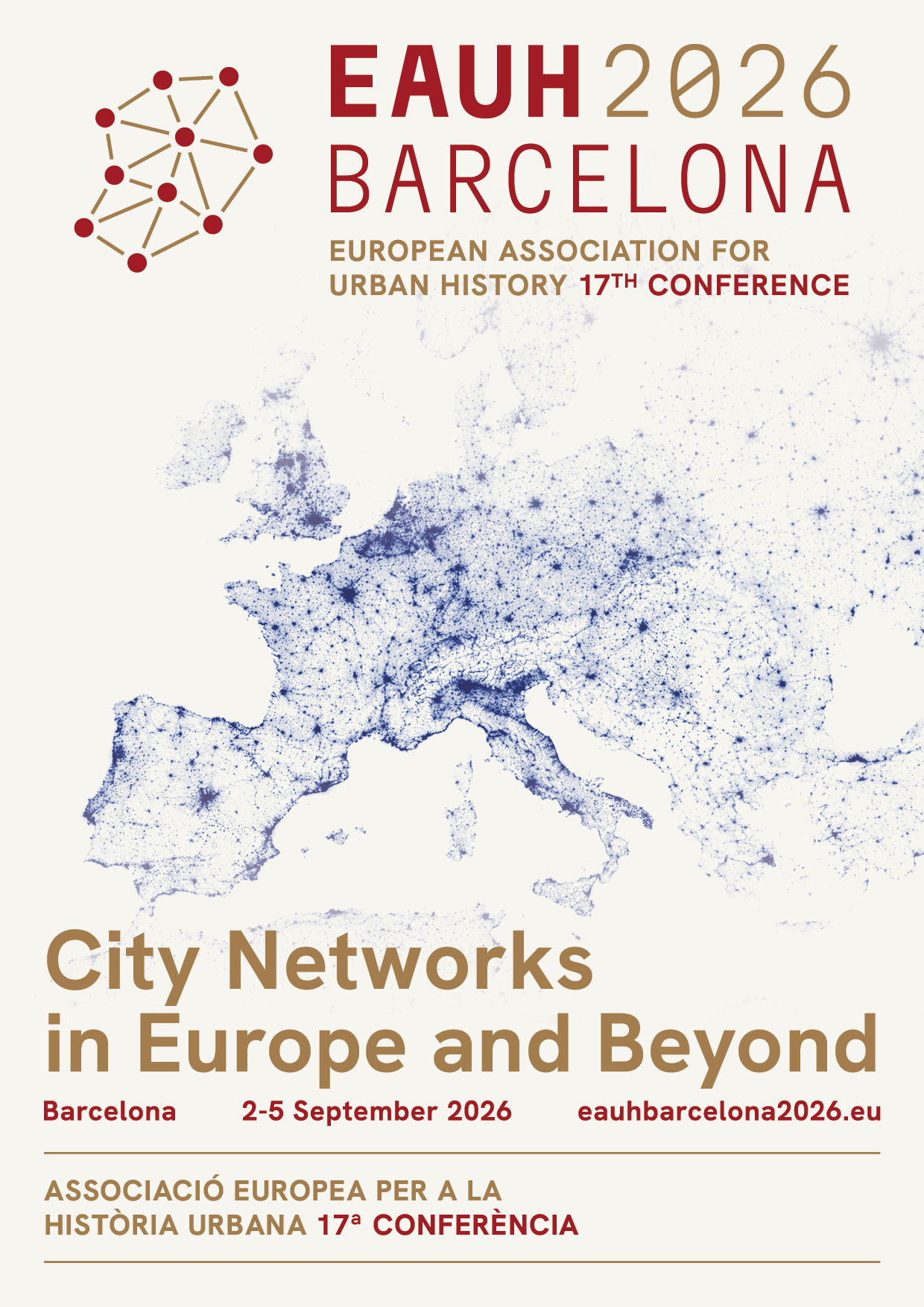 | | EAUH 2026 Conference: "City Networks in Europe and Beyond"
Barcelona, Spain
September 2-5, 2026
The conferece’s central theme is ‘City Networks in Europe and Beyond’. City networks have played a strategically important role in both the past and the present. Cities and the connections between them have been just as influential—if not more so—than states in shaping Europe and extending its influence beyond the continent, especially through colonial relationships. Although the history of Europe is often identified with states and nations, it is largely the history of its networked cities. This is clearly evident in Barcelona, a major medieval center in the Mediterranean, which also led the great leap forward of the industrial age, with crucial links to other cities, from Mediterranean and Atlantic Europe to the Hispanic colonies. And with a dense urbanistic, socioeconomic, political and cultural trajectory as a node in Contemporary European history. Since the 18th century, Barcelona has maintained a long historiographical tradition of studies about the city, considered as a substantial historical subject in itself. In this tradition, the municipal archive and the city museum have played a prominent role, along with historical research in universities and institutions dedicated to urban studies.
With its focus on cities and the networked urban world, the Seventeenth EAUH Conference also aims to foster cross-disciplinary approaches between history, geography, urbanism, architecture, heritage, museum studies and other human and environmental sciences, all of which are critical sources of knowledge for the preservation of contemporary democratic culture.
| | | | EURA 2027 Conference: "Centres, Margins and the Future of Territory: Reconfiguring Urban Governance"
Aveiro, Portugal
June 17-19 2027
The EURA 2027 international conference will mark the 30th anniversary of the European Urban Research Association. Hosted by the University of Aveiro and co-organised with the University of Palermo, the conference will invite critical reflection on the spatial reconfiguration of power, governance and meaning, with particular attention to the relations between centres and margins, territorial inequalities, marginalisation, rescaling and the future of urban and regional studies.
Call for papers and pre-organised panels will be announced soon.
More information will be available soon on the official EURA 2027 conference website! | | | Calls for Papers & Proposals | CFP: Revisiting Geopolitics and Empire: A Transimperial Approach
Centre for Transimperial History
Universität Leipzig
19 - 21 May 2027
Geopolitics have returned to our present—and it is only a matter of time before they will also return to the study of our past. The conference, organized by the Centre for Transimperial History at Leipzig University, explores what this renewed development will mean for empire studies. Taking this one step further, this question and the consequences will be considered from a transimperial history approach.
Geopolitics once occupied a central place in the study of modern empire. Classic works such as William Langer’s The Diplomacy of Imperialism (1935) or Ronald Robinson and John Gallagher’s Africa and the Victorians: The Official Mind of Imperialism (1961) treated geopolitics as fundamental to understanding both empires and imperialism. Likewise, geopolitical struggles over resources furthermore featured prominently in economic explanations of (resource) imperialism, particularly those informed by Marxist thought.
With the rise of new imperial history, scholarly attention shifted from the study of imperialism to the study of empires. As a result, the interest in geopolitics has waned (with only a partial exception for the US-American case). At our current moment, despite recognizing the enormous contribution new imperial history has had on the study of empires, this relative lack of attention being paid to geopolitical factors appears increasingly striking.
Our conference invites participants to consider what a ‘return of geopolitics’ might mean for the study of modern empires, explicitly from a transimperial history approach, a still relatively novel field but one strongly embedded at Leipzig University through its Centre for Transimperial History. We believe this approach offers particular advantages for such a discussion. Renewed emphasis on the geopolitical aspects of empire risks renationalizing imperial history by returning analytical focus to the national level of states and political actors. However, unlike the earlier studies of imperialism, which were fixated on international diplomacy and inter-imperial relations, transimperial history enables us to explore multiple spheres under, above, and in between the national-imperial level, considering not only of top-down but also bottom-up interactions (Hedinger&Heé 2018). It therefore can effectively counter these dangers and give new shape to geopolitical understandings of empire. Such an approach also offers new perspectives on subjects closely aligned with imperial geopolitics: sovereignty, resource imperialism, and territorialization. We particularly welcome contributions that address these as well as other questions through digital humanities methods and the use of artificial intelligence.
Submission Deadline: 15 September 2016 | CFP: IMC Panel 2027 "Enviro-Political Ecologies of the Medieval City"
International Medieval Congress, Leeds
July 5-8, 2027
For the 2027 meeting of the International Medieval Congress in Leeds, we welcome proposals for papers addressing the overlaps and frictions between the material and the political in the “ecologies” of the medieval city from roughly 1000 to 1500.
As urban growth and urban governance proceeded apace in the High and Late Middle Ages, newly self-conscious urban communities confronted the complex relationships between collective good and collective action. Cities and towns negotiated these relationships in both civic action and civic discourse; recently, scholars have begun to explore what may be called the “ecologies” of life in the medieval city as extending beyond the material and into the political. In the latter centuries of the Middle Ages, efforts to institute idealized civic socio-political projects met the challenges and ambiguities of urban topography, demography, and their attendant necessities. We will consider papers from a wide variety of fields (including environmental history, art history, political history, literary criticism, archaeology, and anthropology) and we are open to proposals on cities and towns in Europe and the greater Mediterranean world. Scholars whose research addresses the tensions and anxieties present in urban life are particularly encouraged to submit proposals.
Submission Deadline: September 4 2026.
| CFP: "New Urban Policies Shaping Cities Today"
Urban Research & Practice
Urban Research & Practice is making a special call for submissions for its Policy Section. This call specifically targets contributions that do not take the form of traditional original research articles, but instead offer timely, insightful reflections on emerging policies shaping cities today. Practitioners, policymakers, community actors, activists and researchers are warmly encouraged to contribute.
Policy articles that are chosen for submission from this call will not be published as part of a stand-alone special issue of the journal, but will be published in the policy section of future issues of the journal.
Urban Research & Practice is a well-established, vibrant and cross-disciplinary journal with a focus on urban studies, that publishes a wide range of original academic research articles along with innovative articles on policy and practice. The journal is published in association with EURA (European Urban Research Association), a network of urban researchers that offers a bridge between research and policy, promoting innovative research design, exchange of ideas and good practice, and knowledge transfer.
We welcome contributions that focus on new urban policies launched at the international, European, national, regional and local levels. Submissions should articulate the relevance of the policy beyond its immediate context and highlight its potential implications for wider urban debates and policy. We are particularly interested in articles that might be of interest to other practitioners, policy makers and politicians.
Abstract Submission Deadline: September 7 2026
Full Submission Deadline: November 30 2026 | CFP: Special Issue "The Geographies of Exclusion: Mobility, Infrastructure, and Structural Inequality in Global Urban Contexts"
Urban Planning
Mobility is not only a technical matter of infrastructure and logistics; it is also deeply embedded in the social fabric of cities. Patterns of mobility—who can move, how, when, and at what cost—are deeply political and often reproduce and reinforce existing inequalities. Although transport systems are typically framed as tools to facilitate access and improve urban quality of life, their planning and implementation frequently privilege certain groups while marginalizing others.
At a time when transitions to sustainable mobility are accelerating, new technologies and practices, such as information and communication technologies, emerging transport modes, digital platforms, and e-ticketing systems, are often exacerbating rather than reducing inequalities. Similarly, policy innovations that are not strictly technological, such as the “15-minute city” paradigm, may generate unintended drawbacks alongside their promises, particularly when applied without attention to diverse social realities.
This thematic issue seeks to explore the complex intersections between mobility and inequality from a global perspective. It will critically examine how mobility systems, whether through transport hardware (infrastructure, vehicles, digital platforms) or policy frameworks, shape everyday urban life and contribute to uneven distributions of accessibility and opportunity. Within this broader framework, the issue pays particular attention to the experiences of marginalized communities—including groups facing physical constraints (e.g., peripheral or poorly connected areas) as well as those affected by structural and intersectional inequalities related to class, gender, race, disability, or migration status. We are especially interested in how these communities negotiate, resist, or reimagine mobility in the face of exclusionary systems and structures.
By bringing together interdisciplinary perspectives that include urban planning, sociology, geography, political science, and environmental studies, this thematic issue aims to foster critical debates on the role of mobility in shaping equitable and inclusive cities. It seeks to provide both theoretical insights and policy-relevant knowledge to inform urban policy makers, planners, and community organizations. Ultimately, it aspires to connect scholars, practitioners, and communities across diverse geographies and experiences, creating a shared conversation on how mobility can become a force for social justice and collective well-being in urban contexts.
Submission Deadline: 1-15 September 2026
| CFP: Workshop "Urban Unrest, Dissent, and Violence in the Mediterranean (c. 1700-1918)"
Middle East Technical University, Ankara, Turkey
April 14-15, 2027
The Mediterranean region—encompassing the Adriatic Sea, the Balkans, the Black Sea, the Aegean, North Africa, and the Middle East—has long served as a pivotal nexus for cultural, economic, and political exchange. It remains a dynamic arena for urban transformation, shaped by recurrent crises and political contention. Contemporary scholarship in urban and Mediterranean studies underscores how urban unrest—manifesting as protests, social movements, spatial conflicts, and governance challenges—reveals entrenched socioeconomic disparities, rapid urbanization, migration pressures, and complex sociopolitical tensions. The quotidian experiences of inhabitants in Mediterranean cities are embedded in ongoing struggles over access to public space, housing, employment, and urban justice, reflecting broader discourses on urban resilience and participatory governance. This workshop seeks to critically examine the multifaceted phenomenon of unrest across Mediterranean urban centers, with an acute focus on underlying causes, varied expressions, and the sociopolitical ramifications of urban dissent and violence, emphasizing interactions among marginalized groups, migrant communities, youth, and political elites within contested urban landscapes.
Like macadam road construction, where small stones are assembled to create a durable structure, the workshop aims to bring together historians, social scientists, and researchers who draw on diverse sources and methods and employ various theoretical frameworks. The main goal of this second gathering of the Makadam History Workshop in Ankara is to create a platform for exchanging ideas and insights on urban unrest, dissent, and violence in the Mediterranean between approximately 1700 and 1918.
We welcome submissions from scholars in History, Geography, Anthropology, Sociology, Political Science, Environmental Studies, and related fields, addressing, but not limited to, the following themes within Mediterranean cities as defined by this workshop:
• Urban revolts, riots, protests, and social movements
• Various forms of individual violence
• Socio-spatial segregation and its relation to urban conflict and unrest
• Migration, displacement, and the politics of urban inclusion/exclusion
• The role of public space in enabling or restricting urban dissent
• Urban governance, policing, and state responses to protest and unrest
• Economic precarity, unemployment, and their impact on urban social stability
• Environmental challenges and urban vulnerability as triggers for social unrest
• Cities as havens for illicit activities like the smuggling of people, arms, and goods
Papers may address either specific case studies or engage with larger historical or historiographical discussions relating directly or tangentially to urban unrest in any geographical setting within the Eastern Mediterranean region, approximately between 1700 and 1918. Comparative, interdisciplinary, and methodologically innovative papers are of particular interest.
Submission Deadline: October 15, 2026 | Fellowships, Grants, & Awards | 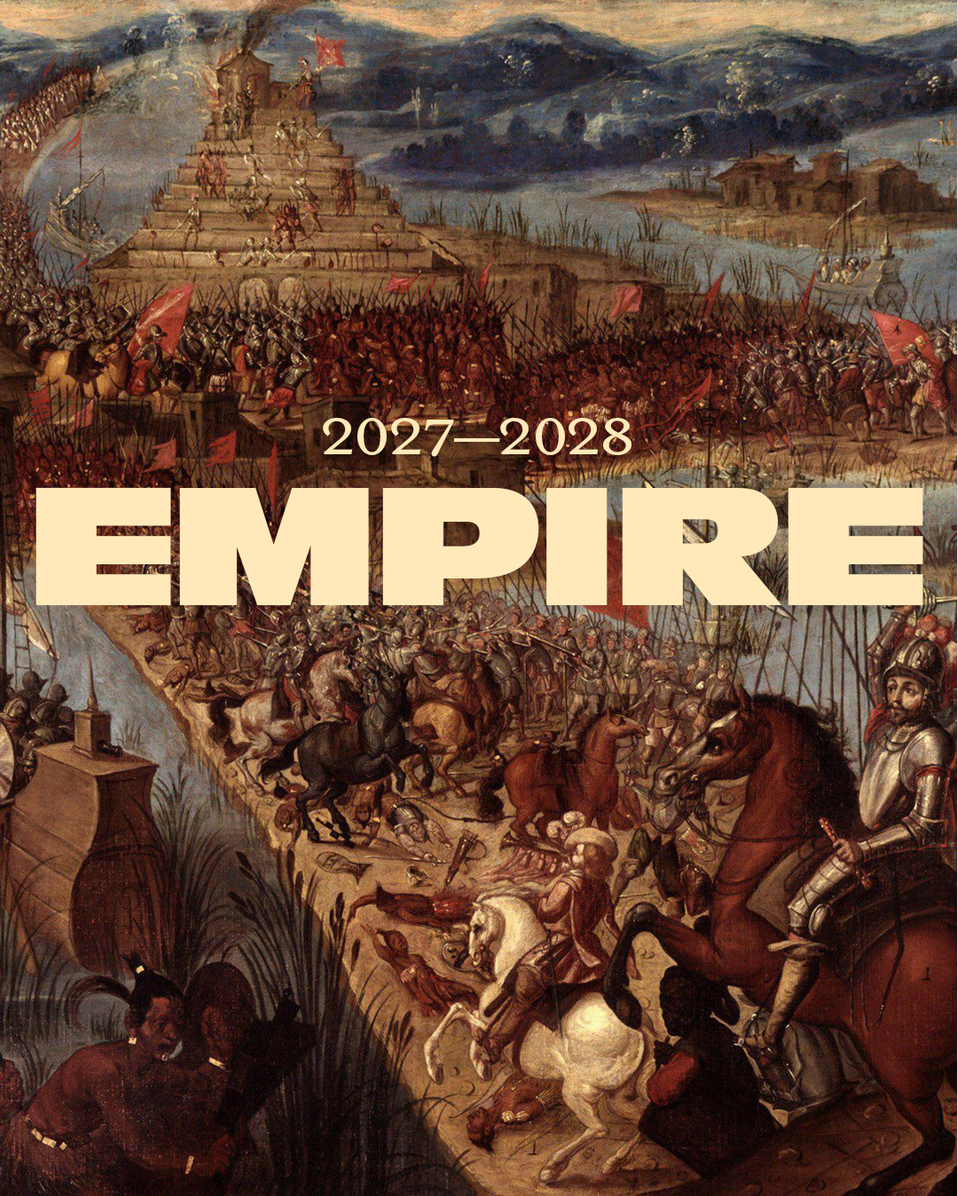 | | Andrew M. Mellon Postdoctoral Fellowship in the Humanities
Wolf Humanities Center
University of Pennsylvania
The Wolf Humanities Center awards five (5) one-year Andrew W. Mellon Postdoctoral Fellowships each academic year to scholars in the humanities who are no more than five years out of their doctorate. Preference will be given to candidates not yet in tenure track positions whose proposals are interdisciplinary and would particularly benefit from and contribute to Penn's intellectual life.
The programs of the Wolf Humanities Center are conceived through yearly topics that invite broad interdisciplinary collaboration. For the 2027–2028 academic year, our topic will be Empire.
During their appointment, Wolf Humanities Center's Postdoctoral Fellows teach one course rostered in one or more of the humanities departments or programs in Penn's College of Arts & Sciences and participate in the Center's weekly Mellon Research Seminar (Tuesdays, 12:00–2:00). Fellows also collaborate on the planning of a public symposium on the Center's annual topic, participate in professional development workshops, and are appointed a faculty mentor.
Application Deadline: November 1, 2026 (11:59 Eastern Time)
| | | | The Contemporary European History Article Prize 2026
The editors of Contemporary European History have established this prize with the aim of encouraging, recognizing and promoting high-quality research among postgraduate and early career scholars. The winner’s prize will consist of:
- Publication of the winning submission in Contemporary European History
- £400 worth of CUP books
Other entries of quality may be invited to publish their submissions in the journal.
Submission Deadline: September 11 2026 | | | |