Vol. 73, October 2025
Have you published something new in Global Urban History? Are you hosting a conference, workshop, or event? We'd like our members to know!
GUHP is a member-supported organization.
|
The Cambridge Urban History of Europe
Edited by Maarten Prak
(Cambridge University Press, 2025)
Split into three volumes chronologically, The Cambridge Urban History of Europe comprehensively and methodically examines Europe's long urban history from its pre-historic roots through to today. Featuring over a hundred essays from experts across various disciplines and countries, the volumes provide an up-to-date analysis of current issues and major themes in urban studies, and sheds new light on regions that are often ignored or receive marginal treatment. The volumes explore topics including, but not limited to, urban landscapes, urban planning, warfare, health care, gender roles, economics, mobility, and religion from a cross-disciplinary perspective to create a broad picture of Europe's urban existence across time to the present. Authoritative and contemporary, the collection is a state-of-the-art survey of the history of urban Europe...[more]
| | | 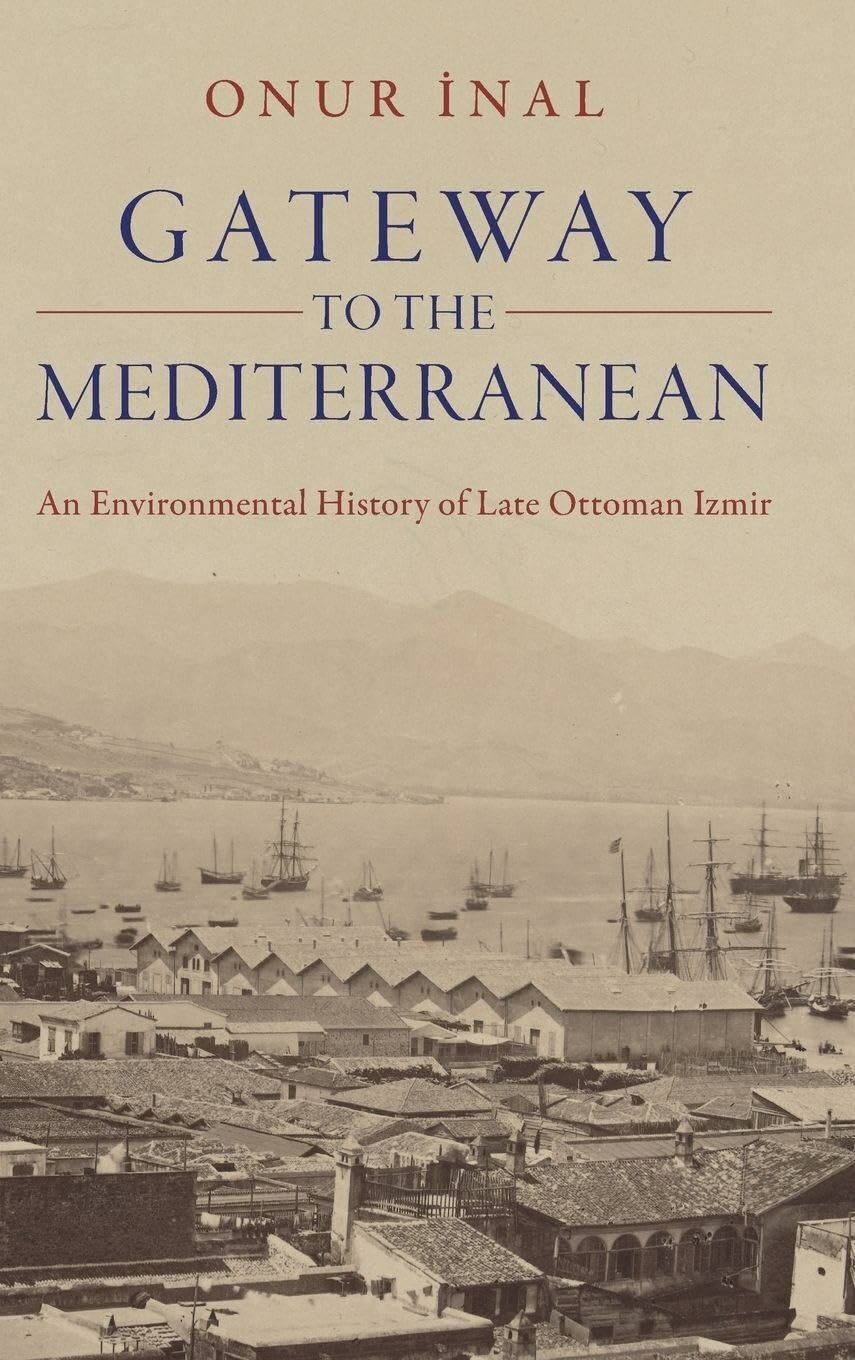 | | Gateway to the Mediterranean: An Environmental History of Late Ottoman Izmir
By Onur İnal
(Cambridge University Press, 2025)
This in-depth exploration of Ottoman Izmir is the first book to study a Mediterranean port city through an environmental historical lens. Onur İnal documents the development of this major Eastern Mediterranean port-city from small coastal town, to transport hub, to a gateway linking the river valleys of Western Anatolia to worldwide markets. Key to this evolution, he argues, was the relationship between a city and countryside which not only shared a common past, but fundamentally reshaped each other during the years of the late Ottoman Empire. Introducing a cast of both human and non-human historical actors, including camels, horses and micro-organisms, İnal demonstrates the transformative impact of their interaction on the city and its hinterlands. By proposing the 'gateway city' model, this rich analysis provides an alternative way to understand the creation of an integrated economic and ecological space in Western Anatolia...[more]
| | | Home Work: Gender, Child Labor, and Education for Girls in Urban America, 1870–1930
By Ruby Oram
(The University of Chicago Press, 2025)
In Home Work, historian Ruby Oram tells the story of how middle-class, white women reformers lobbied the state to implement various public education reforms to shape the lives of girls and women in industrial cities between 1870 and 1930. Women such as Jane Addams and Florence Kelley used education reform to target working-class communities and advocate for their middle-class ideals of girlhood and femininity, which could vary depending on the racial or socio-economic backgrounds of the girls. For example, reformers generally encouraged white girls to care for their future families, while pushing Black girls toward becoming domestic workers in others’ homes. Using Chicago as a case study, Oram also explores how many of the reforms sought by white women were in response to evolving anxieties about immigration, health, and sexual delinquency....[more] | | |
Gauging the Black Undercount: Race and Censuses in Nineteenth-Century Buenos Aires
By Michael Goebel
Social Science History (December 2025)
This article proposes a mixed-method approach to examine historical censuses with regard to race. It does so by exploring various kinds of demographic records from nineteenth-century Buenos Aires in order to test the conventional hypothesis of a significant census underenumeration of the city’s population of African descent. Starting from the overall progression of census results, the article is divided into three parts. The first of these deals with potential under-coverage, the second with the possibility of classificatory changes, and the third with vital statistics, largely derived from parish books. With special attention to two censuses of the 1850s, it concludes that Buenos Aires’s Afro-descendant population likely did suffer serious demographic decline between 1840 and 1890....[more] | | | Claiming Reparations, Claiming the City
By Clarence Lang
Journal of Urban History (November 2025)
Historians of the African American urban experience have revived scholarly efforts to document Black communities’ “right to the city.” These explorations have focused their attention on programs of reparative justice rooted in longer traditions of political thoughts and action. As the imagining of reparations for the the descendants of African slavery becomes more influential as a trend in the field, it will be important to ground this work in an understanding of the changing historical context of the past several decades, as well as the current realities of the shifting urban landscape....[more]
| | | 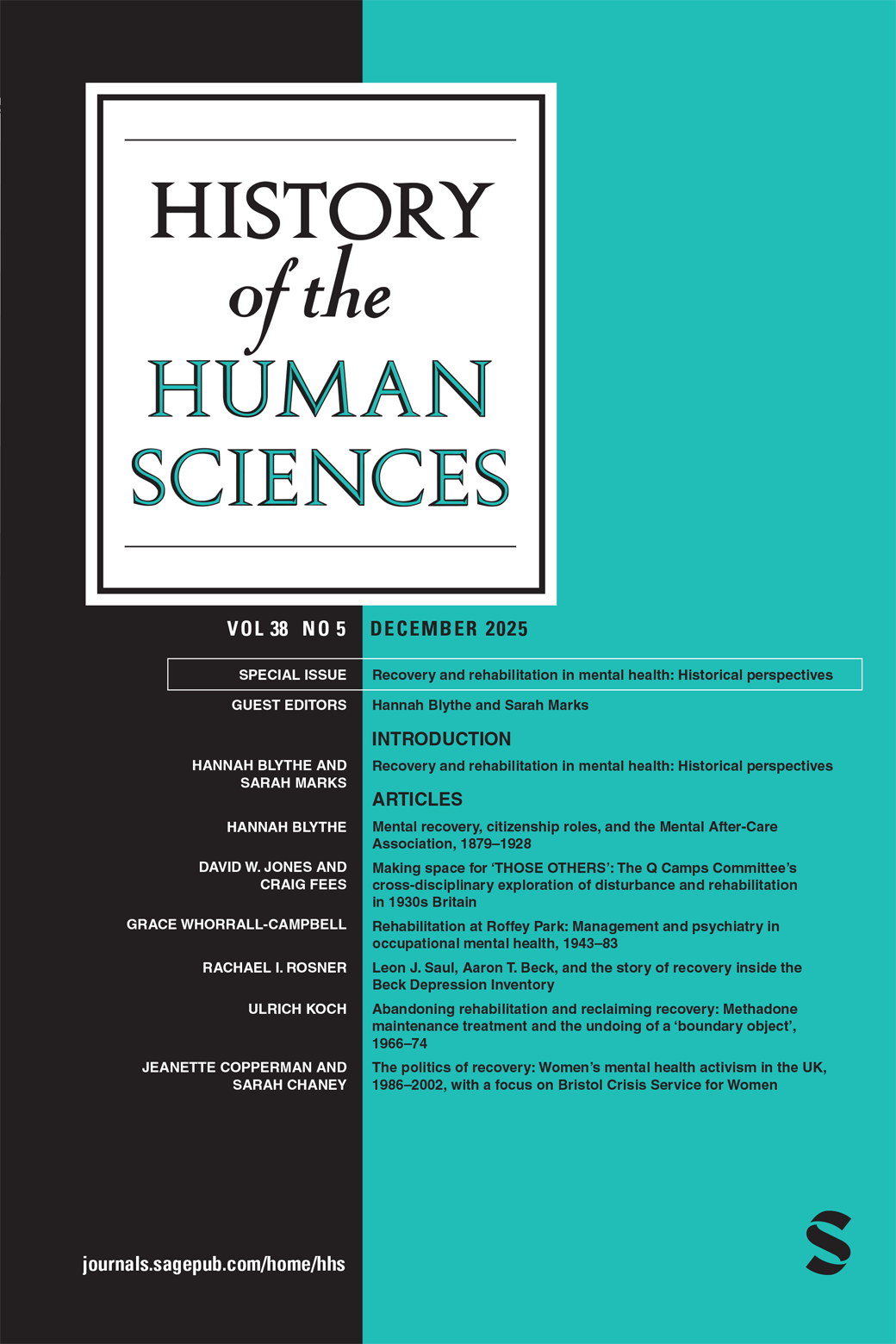 | | Capitalism and the Temporalities of Industrial Location Theory: Liberalism to Fordism
By Parker Everett
History of the Human Sciences (October 2025)
Industrial location theory (ILT) attempted to grasp transformations in capitalist space, particularly the growth, transformation, and decline of industrial urbanization. ILT synthesized geography, economics, social ecology, and anthropology, to explain industry and settlement location. While it focused on space, distance, place, and location, historically specific forms of temporality shaped ILT. The form and content of ILT and their changes reveal changes in capitalist space and settlement driven by capitalist temporal dynamics. This critical history analyzes the transition from liberal to Fordist capitalism in ILT and analyzes ILT as it wrestles with related transformations in capitalist space. As contemporary political leaders abandon neoliberalism for neo-Fordist national industrial policy, this period is worthy of special attention...[more] | | | Also, a list of chapters in the new Cambridge History of Urban Europe that may be of particular interest to Global Urban Historians:
Volume I: Ancient Europe
- Ch. 2: Ian Morris, “The Rise of Urbanisation and its Impact on Europe”
- Ch 6: Martin Zimmereman and Alexander Free, “Urban Expansion under Alexander the Great”
- Ch. 9: J. Andrew Dufton, “An Urban Empire Under Rome”
- Ch. 10: Caroline Goodman, “Urban Expansion Beyond Empire”
- Ch. 25: Rubina Raja, “Globalisation Networks: The Role of Urban Nodes and Ties”
- Ch. 27: Jason Porter, “Slavery and the Ancient City”
- Ch. 33: Saskia Stevens, “Borderscapes”
Volume II: Medieval and Early Modern Europe
- Ch. 5: Eduardo Manzano Moreno and Eneko López Martínez de Marigorta, “Medieval Islamic Europe”
- Ch. 7 Grigor Boykov, “Byzantine and Ottoman Europe”
- Ch. 15: Vera S. Candiani, “European Urbanisation in the Colonial Americas”
- Ch. 16: Zoltán Biedermann, “European Urbanisation in Asia”
- Ch. 22: Jan de Vries, “Urbanisation and Migration”
- Ch. 24: Klaus Weber, “European Cities in the Early Modern Atlantic World”
Volume III Modern and Contemporary Europe
- Ch. 2: Shane Ewen, “Urban History: The Growth and Internationalisation of an Interdisciplinary Field”
- Ch. 9: Christopher Klemek, “Transatlantic Conversations: The Interconnected Urbanism of Europe and North America”
- Ch 10: Ana Maria Fernandes and Jose Carlos Huapaya Espinosa, “Europe and Latin America: Urban Exchanges, Professional Interactions, Opacities”
- Ch 11: Ernest Sewordor and Kenny Cupers, “European Urbanism from Africa: Exploring Research Directions”
- Ch 17: Carola Hein, “Planning and the Infrastructural Turn: European Urbanism in a Global Context”
- Ch. 24: Robert J. Norris “On the Urbanness of Social Class: Class, Empire and Nation in European Societies, 1850-2022”
- Ch 26: Carl H. Nightingale, “Ghosts of the Ghetto: Racial and Ethnic Spaces in Global Urban Europe”
- Ch 33: Christiane Reinecke, “Insurgency Interconnected: Urban Political Conflicts between the Local, National and Global”
|  | | EUME Berliner Seminar: “Alignment, Justification, Margin, Error: Typography and the Cold War”
Forum Transregionale Studien, Berlin
January 14, 2026 | 17:00–18:30
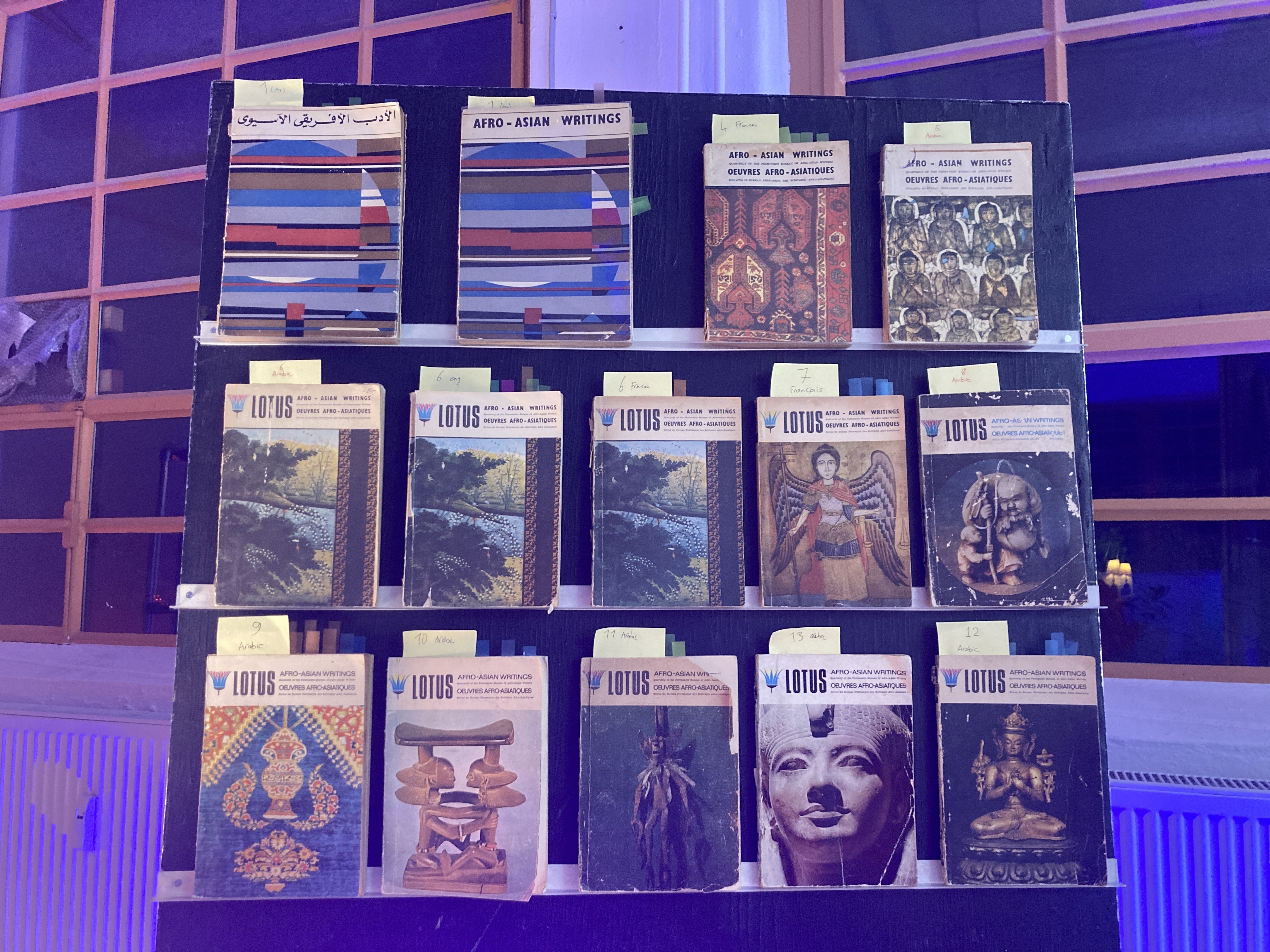
Global soft power forces collided in the cold war, curating and disseminating printed materials that confronted poets, authors, artists and editors with competing demands. Alignment in a table of contents and in the face of cold war polarities were not always distinguishable. This panel begins with traces of a catalogue of typographical méconnaissance in cold war publications and archives, interrogating the legibility of influence and location, and the legacy of these uncertainties. We then invite the audience to participate in a collective reading drawn from the pages of Afro-Asian Writings / Lotus and the contemporary art practices of Fehras Publishing Practices.
The seminar brings together Elizabeth M. Holt (Bard College) with Sina Ahmadi and Sami Rustom of Fehras Publishing Practices in conversation. Advance registration is required...[more]
| | | | Workshop: "Rethinking Gender in Inter- and Transimperial Contexts"
University of Freiburg, Germany
January 16-17, 2026
This two-day workshop brings together approaches that move beyond the metropole–periphery framework to examine how gender functioned in inter- and transimperial contexts. How did actors from different empires use gendered codes and behaviors in their interactions, and to what ends? Did they adopt certain gendered logics to gain recognition as imperial peers? In what ways did gender serve as a threshold for legitimacy and agency? Through such questions, the workshop highlights gender as a constitutive element of imperial power and identity—shaped by, and shaping, interactions across and beyond individual empires...[more]
| | |  | | Workshop: "Cities and Decolonization: Anti-colonial Struggles, Urban Protest, and Global Solidarities"
Oxford, UK
March 19-20, 2026
The aim of the workshop is to reassess the relationship between the city and the struggle for decolonization in the colonial world. It brings together scholars examining anti-colonial movements in specific urban contexts in the twentieth century. The workshop seeks to foster dialogue on the relationship between anti-colonial protests and colonial cities in Africa and Asia, exploring how these struggles were shaped by diverse social groups, the spatial organization of urban environments, and the tensions between competing visions of anti-colonial practice. What role did cities play in shaping the dynamics of twentieth-century decolonization? This question continues to captivate scholars across disciplines. Contemporaries perceived revolutionary movements as originating from urban hubs and radiating outward into rural regions. Aristide Zolberg evocatively characterized anti-colonial movements as “creatures with a relatively large head in the capital and fairly rudimentary limbs.”[1] In contrast, postcolonial thinkers like Frantz Fanon, significantly influenced by Marxist scholarship, insisted that “the peasants alone are revolutionary.”[2] Historian Raymond Betts proposed a nuanced interpretation, suggesting anti-colonial movements were simultaneously “rooted in the countryside and grounded in the city...[more]
| | | 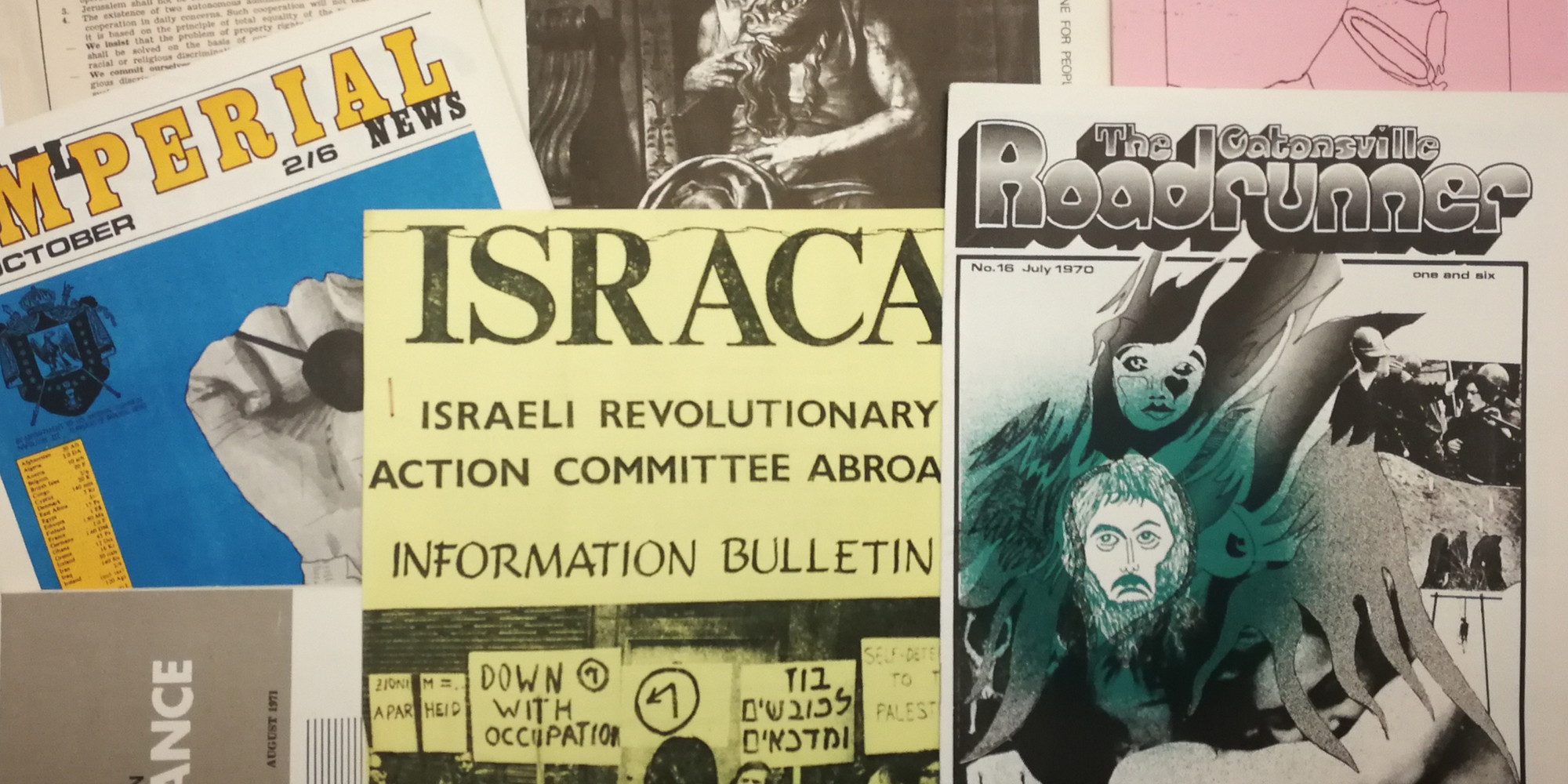 | New Global Histories Primary Source Archive
We are pleased to highlight the launch of the Global Histories Primary Source Collection, a new digital archive hosted by the University of Exeter. The collection features dozens of primary sources relevant to global and urban history, with particularly rich material on the Middle East and North Africa.
A featured contribution to the archive comes from GUHP member Elizabeth Holt, who has authored a scholarly edition and interpretive blurb of the 1968 version of Ghassan Kanafani’s “Resistance Literature in Occupied Palestine,” originally published in Afro-Asian Writings. Holt’s contribution situates the text within Afro-Asian literary and political networks of the late 1960s, underscoring the role of periodical culture in circulating anti-imperial thought across urban and transnational spaces.
The Global Histories Primary Source Collection offers an important new resource for scholars interested in the intersections of urban history, decolonization, and global intellectual exchange.
| Calls for Papers & Proposals |
CFP: Workshop “Between Thompson and the Global: Rethinking Labour History Today”
University of Warwick, UK
Session Organizers: Song-Chuan Chen, Pierre Purseigle, Aditya Sarkar and Laura Schwartz
This workshop invites papers that reflect on the major historiographical shift in labour history over the past two decades, from nationally grounded social histories of labour “from below” to global and transnational approaches. Taking E. P. Thompson’s The Making of the English Working Class as a key point of departure, the workshop seeks to reassess the legacy of “Thompsonian” labour history alongside newer global frameworks that challenge methodological nationalism and foreground transnational connections, mobilities, and comparative perspectives.
Bringing together historians working across different regions and temporalities, the workshop aims to foster collective discussion on how labour history is being rethought today: what has been gained through global approaches, what may have been lost, and how future research might productively bridge social, global, and transnational histories of work and workers...[more]
Submission Deadline: January 30, 2026
|
CFP: "Oxford Handbook of the Harlem Renaissance"
Over one hundred years after the Harlem Renaissance, centennial milestones are being widely discussed and debated at commemorative conference panels, events, publications, and exhibits. Building on this renewed interest, we invite proposals for contributions to The Oxford Handbook of the Harlem Renaissance, which will offer scholars and graduate students a survey of the most recent research, frameworks, and methodologies animating the Harlem Renaissance for a new generation. This collection will bring together leading and emerging voices committed to positioning the Harlem Renaissance as both a US-based and transnational movement, situating African American literature, culture, and intellectual history in broader transregional and global contexts. The volume seeks essays that provide authoritative overviews of established areas of Harlem Renaissance scholarship as well as those that introduce innovative approaches, methodologies, and archives. We welcome work that engages literature, visual art, music, theater, performance, political thought, print culture, and digital humanities, as well as scholarship that foregrounds institutional/archival connections influencing the contours of our collective memory and understanding of the era. Essays should engage with existing scholarship while offering fresh interventions poised to shape the field for years to come...[more]
Submission Deadline: February 3, 2026
|
CFP: Conference "Designing London: The Landscape Legacy of the Greater London Council, 40 Years On"
Location: TBA
In 1986, the Greater London Council (GLC) was abolished by the government of Margaret Thatcher, marking the end of a powerful era in London’s metropolitan governance. Yet, four decades later, the GLC’s contribution to the design of London’s landscapes—its parks, housing developments, civic spaces, and environmental policies—continues to shape the daily life and character of the capital. This conference marks the 40th anniversary of the GLC’s demise by critically reassessing its role in landscape architecture, urban design, and public policy.
The conference invites contributions that examine the GLC’s distinctive civic design culture—progressive, socially engaged, and ambitious in scale—as expressed through initiatives such as the Green Belt policy; metropolitan and regional parks; housing and new town projects; flood defence infrastructure; and the development of ecological planning within metropolitan governance. Particular attention is welcomed to the social, political, and environmental dimensions of the GLC’s work, including its afterlives in institutions such as the London Ecology Unit...[more]
Deadline for Abstracts: February 6, 2026
|
CFP: 21st Biennial Conference of the International Planning History Society (IPHS)
International Planning History Society Conference 2026: Atlanta Crossroads
Georgia Institute of Technology/University of Georgia
What does planning history mean today? Who speaks it, writes it, sings it, paints it—and for whom? Sir Peter Hall once suggested that planning history served primarily to counter the short institutional memories of planning bodies. Today, the field increasingly pushes beyond those boundaries, exploring broader, more inclusive narratives of governance that intersect public, private, and civil sectors. IPHS 2026 invites scholars from across the globe to share and debate these evolving perspectives through papers, plenaries, roundtables, and more. Coming just after Atlanta helps host the 2026 FIFA World Cup, the conference will feature keynote addresses, scholarly sessions, mobile city tours, shared meals, and informal exchanges—making it a true “World Cup” of planning history scholarship...[more]
|
CFP: Session "Good Governance and Urban Conflict in Late Medieval and Early Modern Cities in Europe and Beyond"
EAUH Conference, Barcelona, Spain
September 2-5, 2026
Session organizers: Cédric David Napolitano (Utrecht University), Àngel Casals (Universitat de Barcelona), Minne De Boodt (UCLouvain and KU Leuven Universities), Darko Darovec (Institure IRRIS, Marezige, Slovenia)
This session proposes a critical examination of principles of good governance in the world of city politics, juxtaposed with the practices that fostered and managed conflict within urban environments. It aims to bring together specialists from different fields for an integrated and globally informed discussion of good governance and urban conflict across cities in Europe, the Middle East and Asia (13th-17th centuries). What made for “”good governance”” in Medieval and Early Modern cities? More than the promotion of specific institutional forms, it was its success in managing a diverse community that truly defined effective governance. Citizens, for example, articulated sophisticated ideas about justice or the common good. They crafted elaborate guidelines for urban governors, experimented with various forms of associative life, and reshaped urban space, all in an attempt to realize good urban governance...[more]
Submission deadline: October 22, 2025
|
CFP: Roundtable "Shaping Global Urbanization: Expert Networks in the Mid-Twentieth Century"
EAUH Conference, Barcelona, Spain
September 2-5, 2026
Session organizers: Cédric Feriel (University Rennes 2, Société Française d’Histoire Urbaine), Rosemary Wakeman (Fordham University, New York)
When is it possible to speak of global expertise and a network of experts dealing with global urbanization? This session will examine the importance of the mid-20th-century turning point on this question, based on wartime and postwar, reconstruction, urban crisis and planning, colonial/postcolonial, resource extraction and environmental issues.
We will consider:
- Life trajectories and careers of experts. How many of the experts on “global urbanization” after 1945 began their careers in colonial administration? How many came from European or transatlantic city networks? Many were also deeply involved in urban issues in their own countries. How did they combine these two scales in their practices and projects?
- Continuity and renewal of issues. While the issues on the international agenda changed significantly after 1945 (state building, urban crisis and planning, resource extraction and environment), can we trace the continuity of solutions proposed before the war?...[more]
Submission deadline: October 22, 2025
|
CFA: Session "Making Cities Visible. Global Perspectives on Urban Image-Production and Circulation (19th -20th centuries)"
EAUH Conference, Barcelona, Spain
September 2-5, 2026
Session organizers: Christina Reimann (University of Gothenburg), Malte Zierenberg (Humboldt-University Berlin)
Since the age of printmaking and boosted by photography, cities have been hubs for producing and distributing images locally and globally. This panel explores the urban imprint of the making of a ‘society of images’ by examining international visual discourses and local peculiarities, and by challenging Western-centric views on urban modernity...[more]
Submission deadline: October 22, 2025
|
CFA: Session "Rethinking modern urban infrastructures in the light of the Anthropocene (19th/21th century)"
EAUH Conference, Barcelona, Spain
September 2-5, 2026
Session organizers: Christoph Bernhardt (HU Berlin) and Nathalie Roseau (ENPC, LATTS Paris)
The contribution, over the last three centuries, of urbanization processes (technical, social, economic, political, cultural) to the “Anthropocene” - that is to say, the alteration of the biosphere by human activities, which is showing dramatic consequences for the planetary environmental boundaries – calls for a rethinking of approaches and subfields of urban history through the prism of the Anthropocene. Although the term “Anthropocene” is contested in public and scientific debates, the transdisciplinary controversies on this issue over the past two decades can help to reformulate research questions to urban history and to innovate established concepts in urban political, cultural and environmental history. In this perspective, the session focuses on urban infrastructures, and invites to reexamine the
emergence and ecological footprint of urban networks (water, mobility, energy, waste, data, etc.) in their spatial and material scales, their socio-political configurations, and their human and non-human agencies. Contributions, grounded in empirical research, are expected to promote the interference of the fields of urban history and Anthropocene issues....[more]
Submission deadline: October 22, 2025
|
CFA: Session "Knowledge in Interurban Transit. Networks, Actors, and Agencies"
EAUH Conference, Barcelona, Spain
September 2-5, 2026
Session organizers: Heidi Hein-Kircher (Herne/Bochum) and Oliver Hochadel (Barcelona)
The urban space of the modern city was characterized by a high concentration of short-distance relations, multi-directional exchanges within and the acceleration of movement and communication. This session focusses on interurban knowledge exchange and its networks. The “densification” within the city and the numerous social challenges were instrumental for the development of new fields of “applied urban knowledge” such as urban planning, hygiene and cultural infrastructures so that the inherent dynamic of the urban space and the production of applied urban knowledge entered a dialectic relationship. Hence, knowledge became key for urban development. Disregarding national borders, urban reformers in different cities became increasingly aware that they were facing similar problems with respect to public health and urban planning. Many city councils reached out to other cities all over Europe or even globally in order to modernize their own city. Such solutions were sought after in the form of “best practices” from other urban contexts, which were considered as “recipes for success”. This distinctly pragmatic approach also promised to avoid errors that had been committed elsewhere, while being “late” or “backward” might turn out to be advantageous, and could be used by reformers rhetorically as political leverage to demand new technologies or urban planning concepts. Urban knowledge was permanently altered, combined, hybridized and adapted to fit the specific needs and circumstances of a city...[more]
Submission deadline: October 22, 2025 | Fellowships, Grants, & Awards | | Slavery Archive Book Prize 2025
The #Slaveryarchive Book Prize recognizes an outstanding book on the history of the Atlantic slave trade and slavery exploring any dimension, period, and geographical area, published in any country in English, French, Portuguese, or Spanish. Books with copyright dates between January 1, 2025, and December 31, 2025 are eligible. Edited books and new editions of books previously published will not be considered. The deadline for submissions is February 15, 2026. Three finalists will be announced in September 2026 and the winner will be announced in October 2026...[more]
Application deadline: February 15, 2026
| | | |